
Rebuilding a local voice assistant pipeline
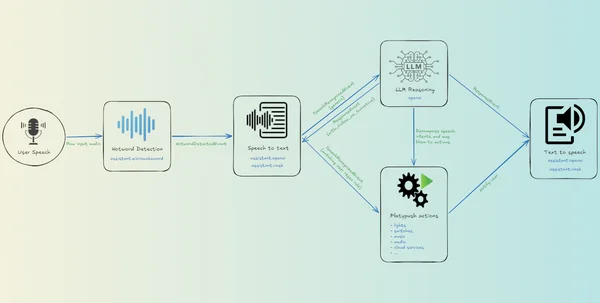
A developer's detailed walkthrough reconstructs a self-hosted voice-assistant pipeline, describing the choices involved in speech capture, recognition, command routing and response delivery. It is a practical counterpoint to cloud-only voice products: components can be swapped and profiled independently.
The value is in the engineering process and tradeoffs, not an independently measured claim that local assistants universally outperform hosted ones. Hardware, model choice and room acoustics affect results.
Read full briefing Collapse briefing
Detailed briefing
What was done
The author documents the design of a local voice workflow and its integration points. The article provides a concrete starting point for comparing recognition and command-handling components rather than treating voice interaction as a single black box.
How to use the walkthrough
Read the pipeline description, identify the stages and substitute locally available components before measuring end-to-end latency and error rates. Exact hardware and software requirements should be taken from the original article; this briefing does not claim to have reproduced the setup.